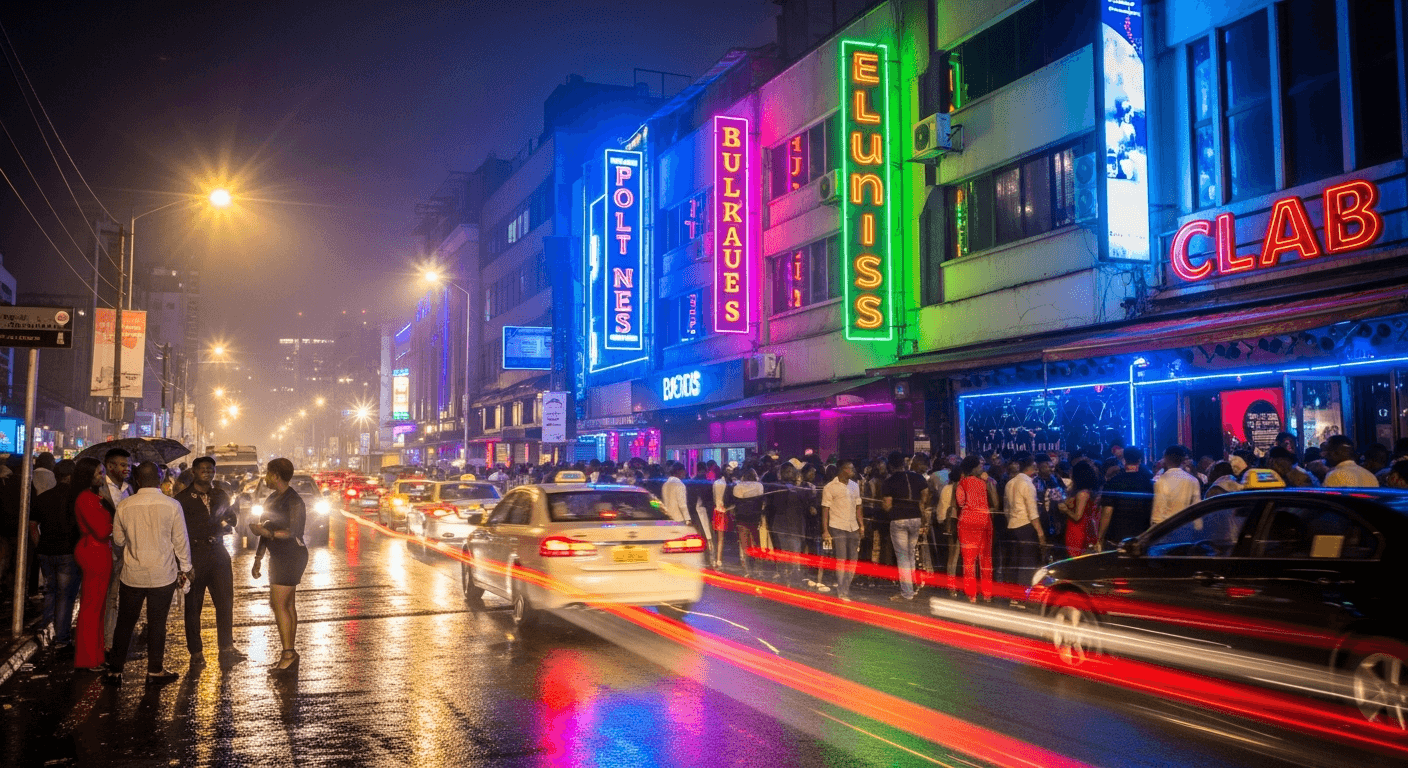
Lagos lives for the weekend. After five days of hustle, the city exhales — restaurants fill up, clubs open their doors, and millions of people move through the night in search of relief, connection, and a good time.
But our data tells a parallel story. While Lagosians celebrate, the incident map lights up.
The Raw Numbers
We compared incident reports across every day of the week, controlling for seasonality and reporting bias. The findings are stark:
- Tuesday 10 AM (our lowest-risk benchmark): Our lowest baseline incident rate across Lagos.
- Saturday 11 PM (the peak): A dramatic spike in incident reports — a significant increase.
- Saturday midnight to 2 AM: The critical-severity rate is substantially higher than the weekly average. Research published in PLOS One confirms that violent crime peaks on weekends across major cities worldwide, with assaults most common on Friday through Sunday.
Sunday mornings (6 AM to 10 AM) have the lowest incident rates of the entire week — even lower than weekday mornings. Lagos is literally at its safest when it's recovering from Saturday night.
The Anatomy of a Saturday Night
Our hour-by-hour breakdown reveals a clear escalation pattern:
6 PM – 8 PM: The Buildup
Traffic incidents spike as people rush to evening plans. Fender-benders on the Lekki toll road, Ozumba Mbadiwe, and around Victoria Island entertainment districts. Risk is moderate and mostly vehicular.
8 PM – 10 PM: The Golden Window
Surprisingly, this is the safest evening window on Saturdays. People are at their destinations. Streets are busy but purposeful. The crowd provides natural surveillance. Chipon's heatmap actually shows cooling in most entertainment districts during this period.
10 PM – 12 AM: The Shift
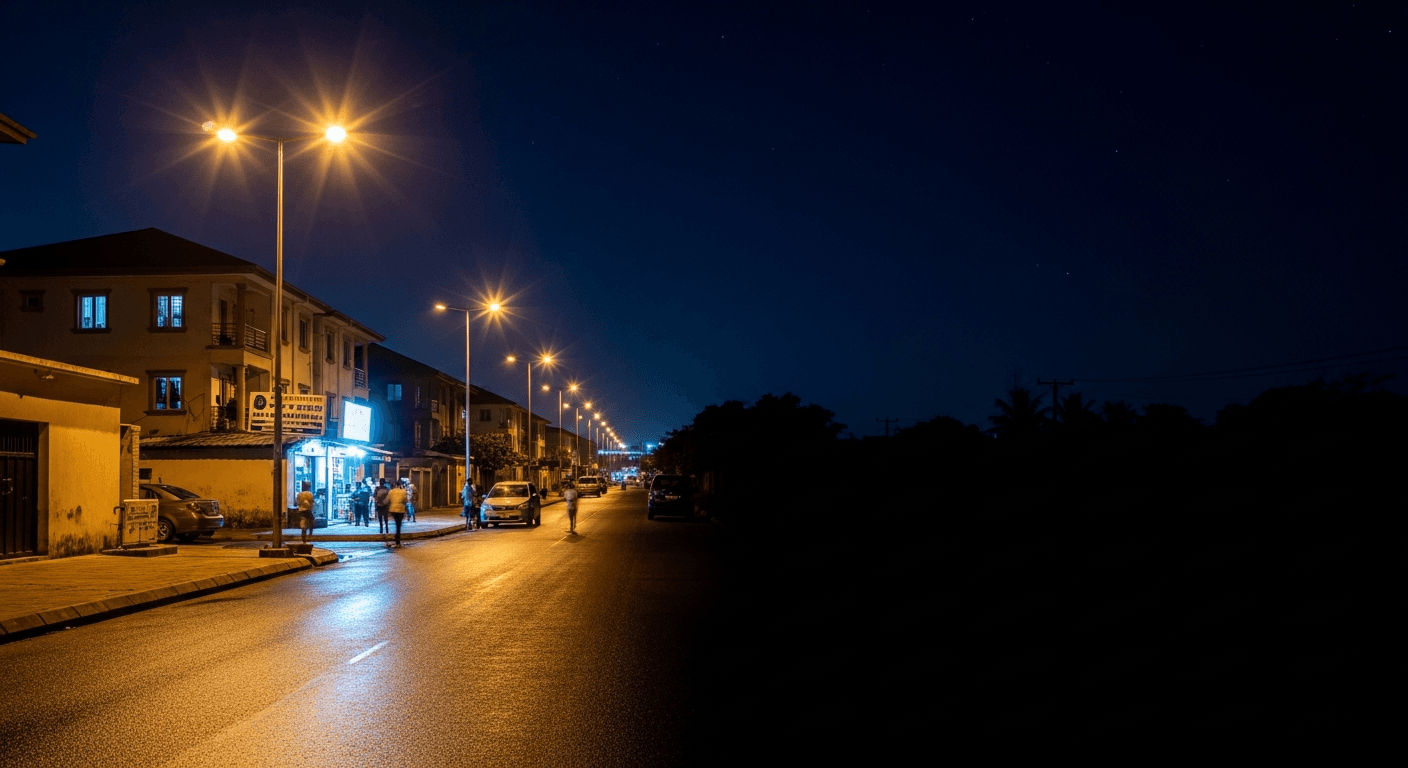
This is when the risk profile changes sharply. As alcohol consumption increases and streets begin to empty of casual pedestrians, opportunistic crime windows open. Reports of pickpocketing around clubs and restaurants surge. Arguments escalate. Drunk driving incidents begin.
12 AM – 3 AM: The Danger Zone
The peak. Armed robbery reports, carjacking, assault, and road accidents converge into a 3-hour window of maximum risk. The transition from entertainment zones to residential areas is the highest-risk moment — people moving through dark, emptier streets with lowered awareness.
3 AM – 6 AM: The Aftermath
Incident frequency drops, but severity stays high. The people still out at this hour are either working (security guards, truck drivers) or vulnerable (stranded partygoers, intoxicated pedestrians). Incidents in this window are fewer but disproportionately serious.
Where Saturday Night Hits Hardest
The geographic pattern is predictable but worth documenting:
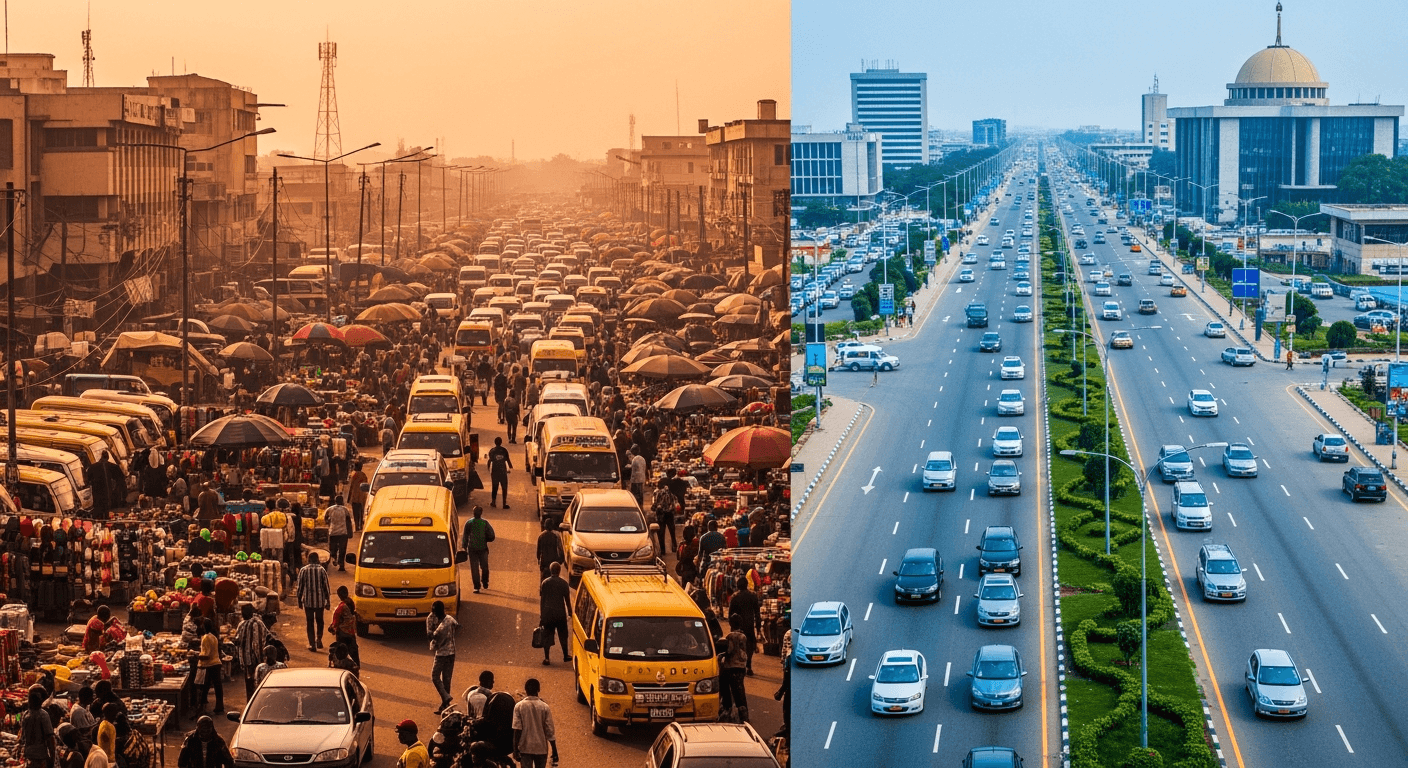
- Victoria Island / Lekki Phase 1 — Highest absolute number of Saturday night incidents, driven by nightlife concentration.
- Ikeja GRA / Allen Avenue corridor — Second highest, with a mix of club-district incidents and transit-related crime on surrounding roads.
- Surulere / Adeniran Ogunsanya — Mid-range entertainment area with fewer security resources than VI or Ikeja, leading to higher per-venue incident rates.
- Festac / Amuwo-Odofin — Lower nightlife density but higher severity per incident. Fewer witnesses, darker streets.
The Smart Saturday Night Protocol
Based on the data, here's a framework for safer weekend nights:
- Plan your exit before your entrance. Know how you're getting home before you go out. Pre-book a ride or designate a sober driver.
- Use the 10 PM rule. If you're going to move between venues, do it before 10 PM when streets are still busy.
- Check Chipon at midnight. Even if you checked earlier, the safety landscape at midnight is fundamentally different from 8 PM. A 30-second map check can reveal incidents on your route home.
- Avoid the 2 AM solo transit. This is the single highest-risk activity in our dataset: leaving a venue alone between 1 AM and 3 AM and navigating to a car or waiting for a ride on a quiet street.
- Keep Chipon notifications on. Enable critical alerts even during your night out. An armed robbery reported 500 meters from your location is worth the interruption.
Saturday nights in Lagos will always be electric. With the right information, they don't have to be dangerous. Let the data guide your good time.