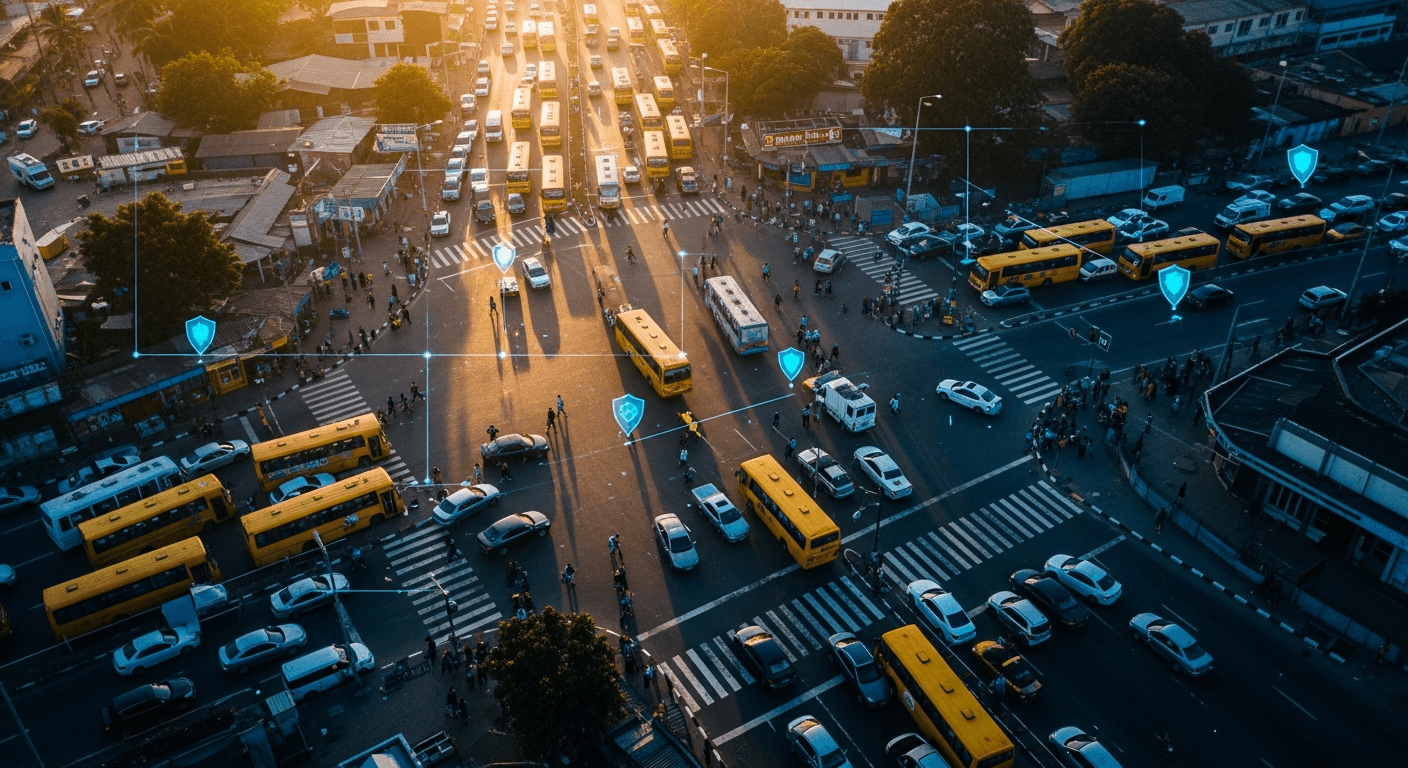
Every morning, roughly 17-21 million people wake up in Lagos (depending on which population estimate you use) and make a decision that shapes their day: how do I get where I need to go safely?
At Chipon, we've analyzed community safety reports from our growing user base. The data tells a clear story — people who consistently avoid incidents share specific behavioral patterns. Not luck. Not privilege. Habits.
1. They Check Before They Move
The safest commuters don't just step out the door and hope for the best. They spend 60 seconds checking the safety landscape around their route. On Chipon, this means opening the app, glancing at the heatmap, and scanning for active incident pins along their planned path.
It sounds simple. That's because it is. But our data shows that users who check the map before commuting are significantly less likely to report encountering an incident during their journey.
2. They Trust the Crowd, Not Just the News
Traditional news covers the big stories — but by the time a robbery makes the evening broadcast, it's already 6 hours old. Community reports on Chipon surface within minutes. The safest commuters have learned to treat real-time community intelligence as their primary information source.
One user in Ikeja told us: “I used to rely on Twitter for safety info. Now I check Chipon first because the reports come from people on my actual street, not journalists in Victoria Island.”
3. They Have a Plan B Route
When Chipon's route scoring shows a high-risk segment on your usual path, the natural reaction is to freeze — or just go anyway. Safe commuters always have a second route in mind. When the alert pops up, they're not deciding under pressure. They're executing a plan.
4. They Report What They See
Here's a counterintuitive finding: people who report incidents are safer than people who only consume reports. Why? Because the act of reporting makes you more observant. You start noticing patterns — the time of day certain areas get risky, the road conditions that precede accidents, the subtle signs that something is off.
Reporting isn't just altruistic. It's a survival skill that sharpens your awareness.
5. They Respect Quiet Hours
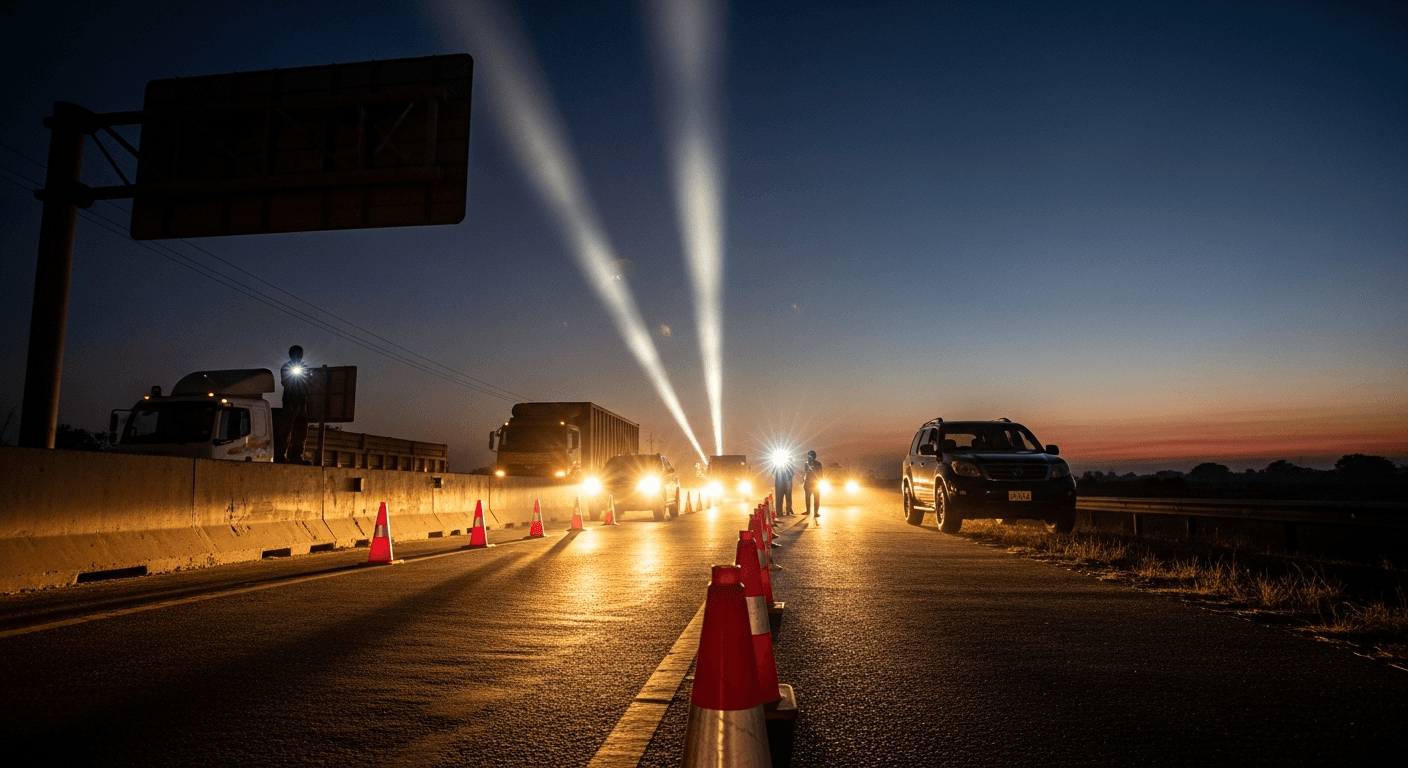
Our incident data shows a dramatic spike between 10 PM and 4 AM across most Lagos neighborhoods. Safe commuters plan around this. They wrap up errands before dark. When late-night movement is unavoidable, they stick to well-lit, well-trafficked corridors.
6. They Verify Before They React
Not every report is accurate. Community intelligence is powerful but imperfect. The safest users check the verification count on incident reports before changing their plans. A report with 3+ community confirmations is reliable. A single unverified report might be noise.
This is why Chipon's verification system matters — it transforms raw reports into actionable intelligence.
7. They Stay Connected to Their Neighborhood
Users who regularly check their neighborhood safety score have a more accurate mental model of their environment. They know which intersections are historically problematic, which streets have improving safety trends, and which areas to approach with extra caution.
Safety isn't about fear. It's about informed confidence.
The bottom line: Safety in Nigerian cities isn't random. It's a practice. These seven habits won't make you invincible, but they'll dramatically shift the odds in your favor. And every habit starts with one thing — knowing what's happening around you before you step outside.
That's what Chipon is built for.