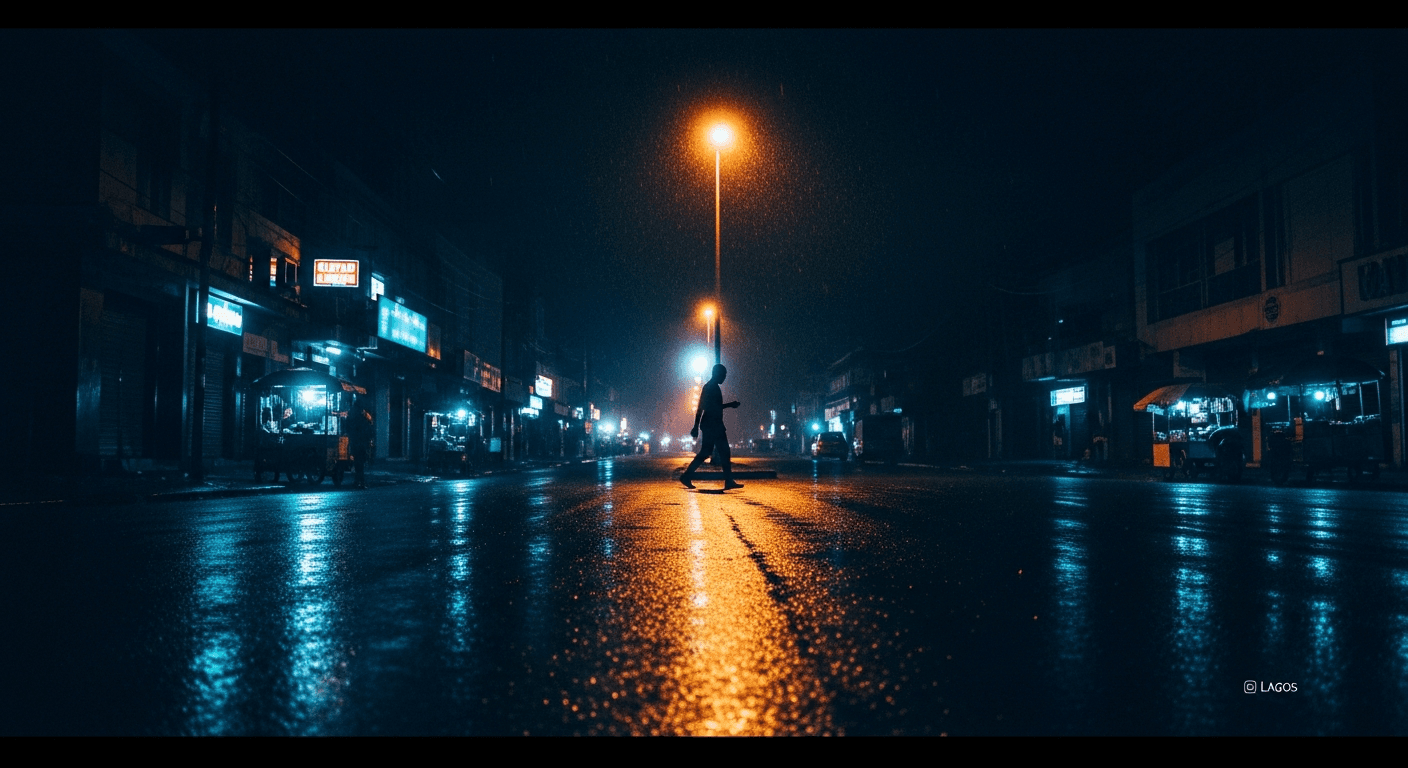
Checkpoints are a fact of life on Nigerian roads. Police, military, LASTMA, VIO — on any given day, you'll encounter at least one. Most are routine. Some are not.
We analyzed checkpoint-related reports from our platform and cross-referenced with official travel advisories on Chipon over the past 6 months. The data reveals clear patterns that can help you distinguish between a routine stop and something you should avoid.
The Anatomy of a Legitimate Checkpoint
Based on verified reports, legitimate checkpoints share these characteristics:
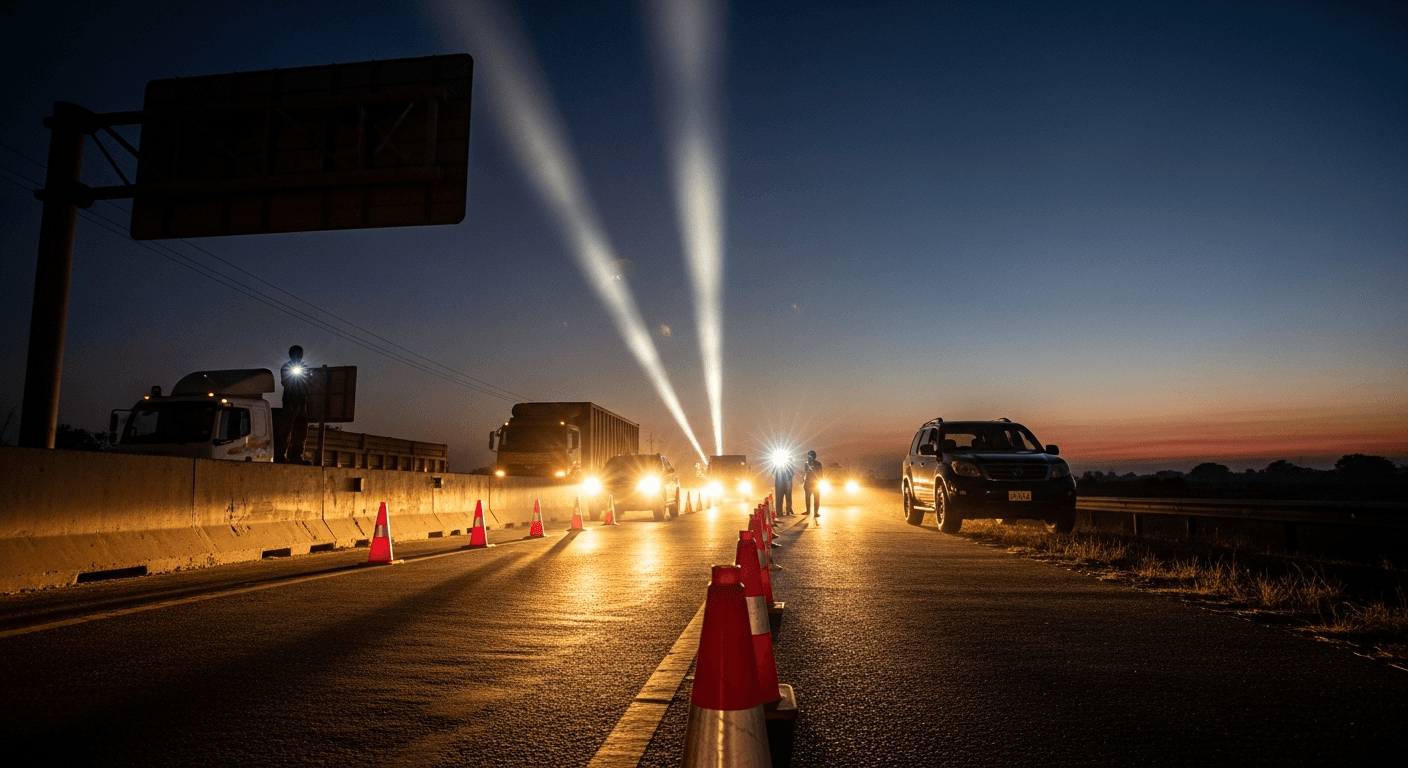
- Location: Established at recognized points — major intersections, bridge approaches, state borders. They don't appear randomly on isolated stretches.
- Visibility: Marked with cones, barriers, or vehicles with visible plates. Officers wear identifiable uniforms.
- Timing: Most active between 6 AM and 10 PM. Official checkpoints rarely operate in the dead of night on secondary roads.
- Behavior: Officers stand in the open, flag vehicles methodically, and have a visible command structure (senior officer overseeing juniors).
Red Flags: When to Be Cautious
Our data flagged these patterns in reports that were later classified as suspicious or threatening:
- Unmarked location. A “checkpoint” on a road that never has them — especially at night.
- No uniforms or mixed attire. Legitimate operations have uniformed personnel. Plain clothes with weapons is a warning sign.
- Aggressive flagging. Running toward vehicles or using objects (not standard stop signs) to force stops.
- Isolation. Set up where there are no witnesses, no nearby structures, no other traffic.
- Time of day. Unofficial roadblocks spike between 11 PM and 3 AM on our platform.
What the Data Tells Us
Of the checkpoint reports analyzed:
- 78% were verified as legitimate police/military operations.
- 14% were LASTMA/traffic management stops.
- 5% were community/vigilante checkpoints (common in some neighborhoods).
- 3% were flagged as suspicious or potentially criminal.
That 3% might seem small — a meaningful number of incidents over the analysis period. But each one of those 37 events represented a real danger to real people. And the only reason we know about them is because someone reported it in real-time.
How Chipon Helps
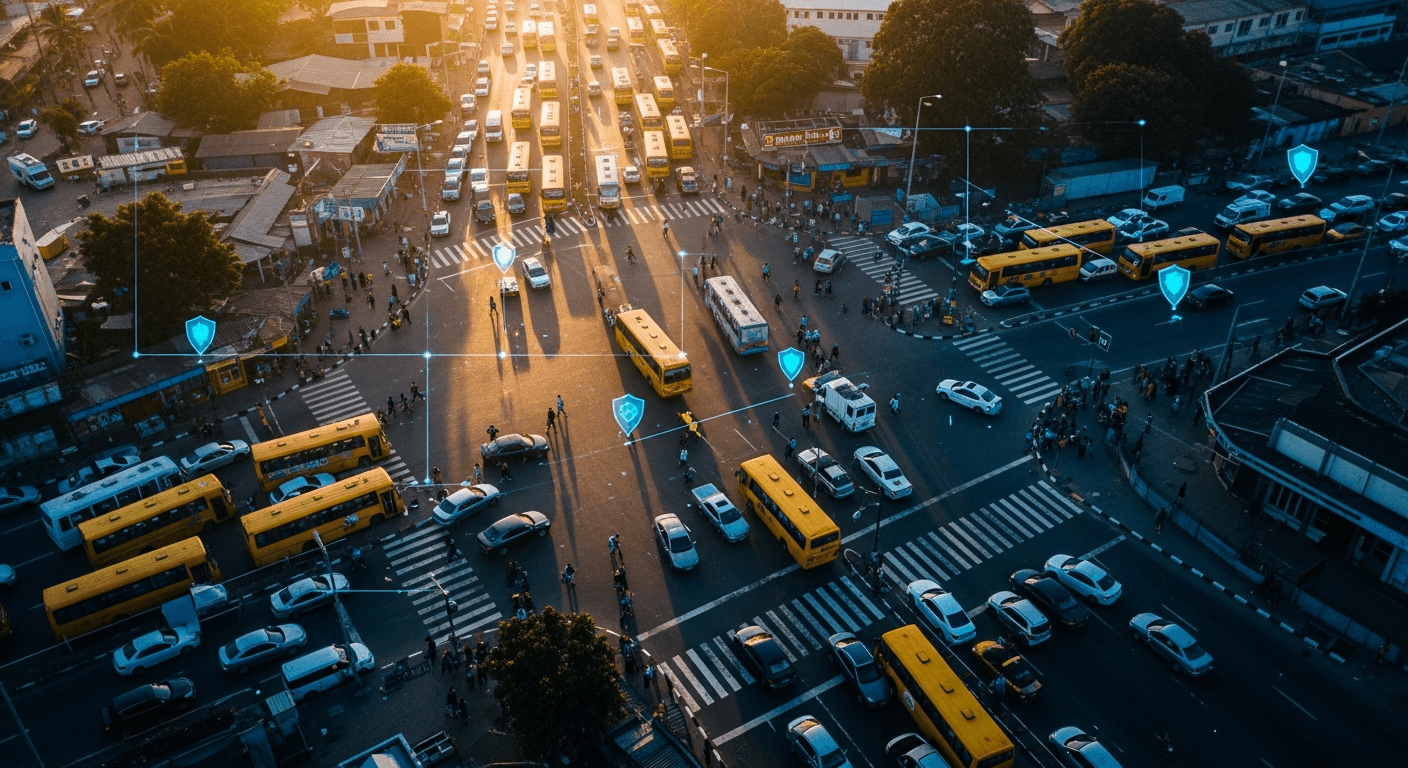
Chipon categorizes checkpoint reports separately from other incident types. On the map, checkpoints appear with a distinctive shield icon. Verified checkpoints show in blue. Unverified or suspicious ones show in orange.
When you see a checkpoint pin on your route, you can:
- Read the report details — what type, how many officers, any issues noted.
- Check the verification count — 3+ confirmations means multiple people have confirmed it.
- Check the time — how recently was this reported? A 6-hour-old checkpoint report might be stale.
A Community Responsibility
If you pass through a checkpoint — legitimate or suspicious — take 30 seconds to report it on Chipon. Your report helps the next person make a better decision. And if something feels wrong, report it immediately. You might be the warning that keeps someone else safe.
Remember: when in doubt, stay on main roads, keep your doors locked, and trust your instincts. Chipon gives you data — but your judgment is your best tool.