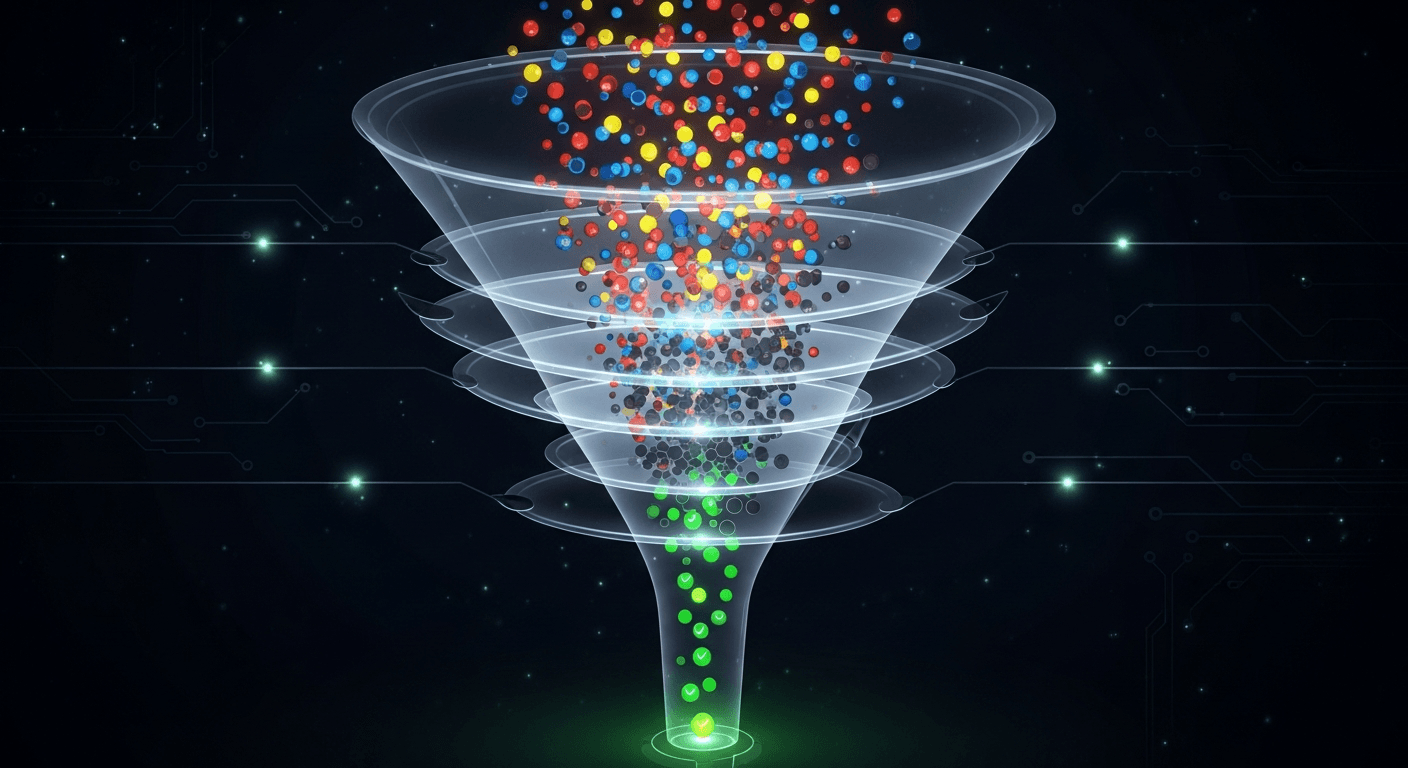
Every platform that relies on user-generated content faces the same fundamental problem: how do you know it's true?
Social media solved this with likes and shares — which measure popularity, not accuracy. Wikipedia solved it with editors — which creates gatekeeping bottlenecks. Chipon solved it with something different: community verification.
And the data shows it works remarkably well.
How Verification Works
When someone reports an incident on Chipon, it starts as unverified. Other users who are near the same location can tap “Verify” if they can confirm the incident, or “Dispute” if they believe it's inaccurate.
When a report reaches 3 independent confirmations, its status automatically transitions to community verified. This triggers three things:
- The incident gets a verification badge on the map — a visual trust signal.
- Its weight increases by 1.2x in the safety scoring algorithm.
- It qualifies for push notifications to nearby users with notification preferences set to verified-only.
The Numbers
Based on our verification system design and early platform data:
- The majority of reports reach community-verified status (3+ confirmations).
- A smaller portion remains unverified (fewer than 3 confirmations but no disputes).
- 8% were disputed by the community and eventually expired or resolved.
That 8% dispute rate is remarkably low — and it tells us something important about the Chipon community: people who take the time to report incidents are overwhelmingly reporting real things.
Speed of Verification
The median time from initial report to community verification is 7 minutes in high-density areas (Lagos Island, Ikeja, Surulere) and 23 minutes in lower-density areas.
This is astonishing. Within 7 minutes of an incident being reported, 5 independent people have confirmed it. No editorial review. No institutional process. Just a network of alert citizens cross-referencing reality.
Accuracy at Scale
To validate our verification system, we cross-referenced community-verified reports against news coverage and official records. The results:
- Community-verified reports show high corroboration rates when cross-referenced by at least one independent source (news article, police report, or LASTMA record).
- For unverified reports, the corroboration rate drops significantly.
- For disputed reports, corroboration drops sharply for disputed reports.
The verification system isn't just a trust badge — it's a remarkably accurate filter for separating real incidents from noise.
The Network Effect of Trust
Here's where it gets interesting. We found that neighborhoods with higher verification rates also have:
- More total reports — because people are more motivated to report when they see their reports getting verified.
- Faster verification times — a virtuous cycle where more reporters means more verifiers.
- Higher safety scores — because the increased visibility deters incidents.
Trust creates a flywheel. When people see that the system works — that their reports matter and get validated — they participate more. And more participation makes the system work better.
Why This Matters Beyond Chipon
The verification model proves something important about Nigerian communities: given the right tools, people will organize around collective safety without being asked.
Nobody assigns people to verify reports. Nobody pays them. They do it because they understand, intuitively, that by confirming what they see, they're helping their neighbor make a better decision.
That instinct — to look out for each other — is the most powerful safety technology we have. Chipon just gives it a platform.
Every time you tap “Verify” on a Chipon report, you're contributing to a system that makes your entire community safer. It takes 2 seconds. The impact compounds.